In the world of material handling, selecting the right Belt Conveyor Motor is crucial. Industry expert Dr. William Chen, a leading figure in conveyor technology, stated, “The efficiency of a conveyor system heavily relies on the choice of motor.” This highlights a fundamental truth; the right motor can make or break operational success.
Belt Conveyor Motors come in various types, each designed for specific applications. These motors impact performance, energy consumption, and maintenance costs. Buyers must consider factors like power requirements and environmental conditions. Many overlooked aspects can lead to inefficiencies. Not every motor is suitable for every situation.
Global buyers face unique challenges. Different regions may have varying standards and technology availability. The complexity can be daunting. While some motors may excel in performance, they may lack durability. Reflecting on past experiences can guide companies to avoid common pitfalls. Selecting the right Belt Conveyor Motor is a journey worth taking with careful planning and expert advice.
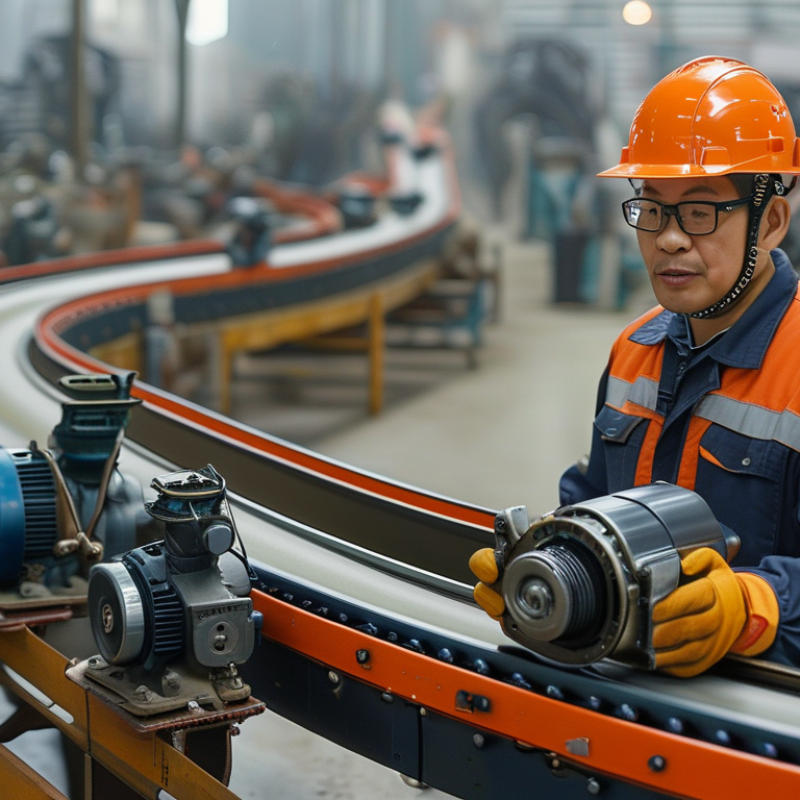
Understanding Belt Conveyor Motors: A Comprehensive Guide
Belt conveyor motors play a crucial role in various industries. Understanding their functionality is vital for selecting the right option. These motors transform electrical energy into mechanical energy, enabling the movement of materials over distances. They come in various sizes and power ratings to fit different applications. However, not all motors are suitable for every use case.
When considering a belt conveyor motor, key factors include torque, speed, and efficiency. Torque determines the motor's ability to handle load variations. Speed affects how quickly materials can be transported. A mismatch in these parameters can lead to operational inefficiencies. Additionally, motor selection should account for the environment. Harsh conditions may require specialized motors for durability.
Choosing the right motor can be daunting. Some may focus solely on price, neglecting performance and longevity. Others might not consider installation challenges. Reflecting on these details ensures a more informed choice. The goal is to achieve a reliable and efficient operation. Many users overlook their specific needs, leading to suboptimal results. Understanding belt conveyor motors requires careful consideration and research. A well-informed decision can greatly enhance productivity.
Key Factors to Consider When Choosing Conveyor Motors
When selecting a conveyor motor, it's crucial to assess several key factors. The motor's power rating must match the load requirements of your system. Underestimating power can lead to costly downtimes and reduced efficiency. In contrast, overrating can lead to overspending on energy bills and unnecessary wear and tear. Always analyze the workload to find a suitable balance.
Another essential consideration is the environment in which the motor operates. Factors such as dust, moisture, and temperature can significantly impact performance. Ensure that the motor is not only robust but also rated for the specific conditions it will endure. Specialized motors might be necessary for harsh environments, and neglecting this can diminish reliability.
Additionally, consider the motor's integration capabilities with existing systems. Compatibility with controls and sensors is vital. Investing in a motor that aligns seamlessly with your conveyor's technology can increase operational efficiency. Reflect on how various motors perform in real-world scenarios, as theoretical specifications may not always translate into practical success.
Best Belt Conveyor Motor Options for Global Buyers
| Motor Type |
Power Rating (kW) |
Voltage (V) |
Efficiency Class |
Environment Rating |
Typical Applications |
| Induction Motor |
5.5 |
380 |
IE3 |
IP55 |
Heavy-duty material handling |
| Gear Motor |
3 |
230 |
IE2 |
IP54 |
Light to medium-duty applications |
| Servo Motor |
2 |
400 |
IE4 |
IP65 |
Precision tasks, robotics |
| Permanent Magnet Motor |
7.5 |
480 |
IE5 |
IP66 |
High efficiency applications |
| DC Motor |
1.5 |
24 |
N/A |
IP20 |
Automated guided vehicles, conveyors |
Top Motor Brands for Belt Conveyors in the Global Market
When selecting a motor for belt conveyors, global buyers face several important considerations. Motor efficiency, reliability, and power output are critical factors. A good motor optimizes energy consumption, reducing operational costs. Additionally, the motor's compatibility with various conveyor designs is key for smooth installation and operation.
Reputable motor brands often demonstrate a consistent performance record. They provide a variety of options tailored to different conveyor configurations. It's essential to evaluate factors like torque ratings and speed controls. Each application may require a unique solution; there is no one-size-fits-all approach.
Buyers also need to consider service and support. A robust warranty and responsive customer service can significantly enhance user experience. However, some brands may fall short in these areas, leading to unexpected challenges. Balancing performance, cost, and support is essential for making informed decisions in the global market.
Comparative Analysis of Electric and Hydraulic Conveyor Motors
The choice between electric and hydraulic conveyor motors is critical for operations worldwide. According to recent industry reports, electric motors account for over 60% of the conveyor motor market. They offer higher efficiency, lower maintenance costs, and quieter operations. For example, electric motors typically have an efficiency rate ranging from 85% to 95%. This means that more energy is converted into useful work.
However, hydraulic motors hold significant advantages in specific applications. They excel in providing high torque at low speeds. This makes them ideal for heavy-duty operations. Reports indicate that hydraulic systems can deliver a torque capacity up to three times that of electric motors in certain cases. Nevertheless, their maintenance can be more challenging and often requires specialized knowledge.
Selecting the right motor type requires a thorough understanding of operational needs. In some instances, the initial cost of hydraulic systems may be lower than electric counterparts. Yet, operational efficiency could lead to higher long-term expenses. Evaluating factors such as load types and environmental conditions is essential. While electric motors dominate in terms of market share, the reliability and performance of hydraulic motors in specific situations cannot be overlooked.
Best Belt Conveyor Motor Options for Global Buyers
Future Trends in Belt Conveyor Motor Technology for Buyers
The future of belt conveyor motor technology is driven by automation and energy efficiency. Recent studies indicate that energy-efficient motors can reduce energy consumption by up to 30%. As industries seek to lower operational costs, this shift becomes crucial. The integration of smart technologies allows for real-time monitoring, enhancing maintenance and minimizing downtime.
Another significant aspect is the trend towards sustainable designs. Eco-friendly materials are gaining attention. A report from the International Energy Agency highlights that utilizing sustainable motors can decrease carbon emissions significantly. Moreover, this movement is aligned with global sustainability goals. However, challenges exist, including higher initial costs for advanced technologies and potential training needs for operators.
In addition to energy efficiency and sustainability, the demand for compact and lightweight motors is growing. These motors provide flexibility in system design. But, achieving this balance might require compromises in power output or efficiency. As buyers explore options, the emphasis on performance versus innovation will shape future procurement decisions.
Conclusion
The article "Best Belt Conveyor Motor Options for Global Buyers" serves as a comprehensive resource for understanding the various aspects of Belt Conveyor Motors. It highlights essential factors to consider when selecting the right motor for conveyor systems, including power requirements, operational efficiency, and compatibility with existing infrastructure.
Furthermore, the article compares electric and hydraulic conveyor motors, outlining their respective advantages and disadvantages for different applications. As technology evolves, future trends in Belt Conveyor Motor innovations are also discussed, emphasizing the growing importance of energy efficiency and automation in the industry. This guide equips global buyers with the knowledge needed to make informed decisions when investing in Belt Conveyor Motors.

 Lite Simo