As global industries evolve, choosing the right Belt Drive Motor becomes crucial. Experts emphasize the importance of selecting efficient solutions for various applications. John Thompson, a leading figure in industrial motor technology, once stated, "The right Belt Drive Motor can enhance performance and reduce operating costs significantly."
Belt Drive Motors are known for their reliability and versatility. They are commonly used in manufacturing, transportation, and renewable energy systems. These motors provide smooth power transmission and are often quieter than their direct-drive counterparts. However, potential buyers must consider factors like torque requirements and speed ratings.
Choosing a Belt Drive Motor isn't just about specifications; it demands a deep understanding of applications. Buyers may face frustrating options that seem ideal but fall short in real-world performance. A detailed analysis of desired outcomes is necessary before making a final decision. The search for the best Belt Drive Motor options in 2026 is as much about the technology as it is about ensuring operational efficiency.
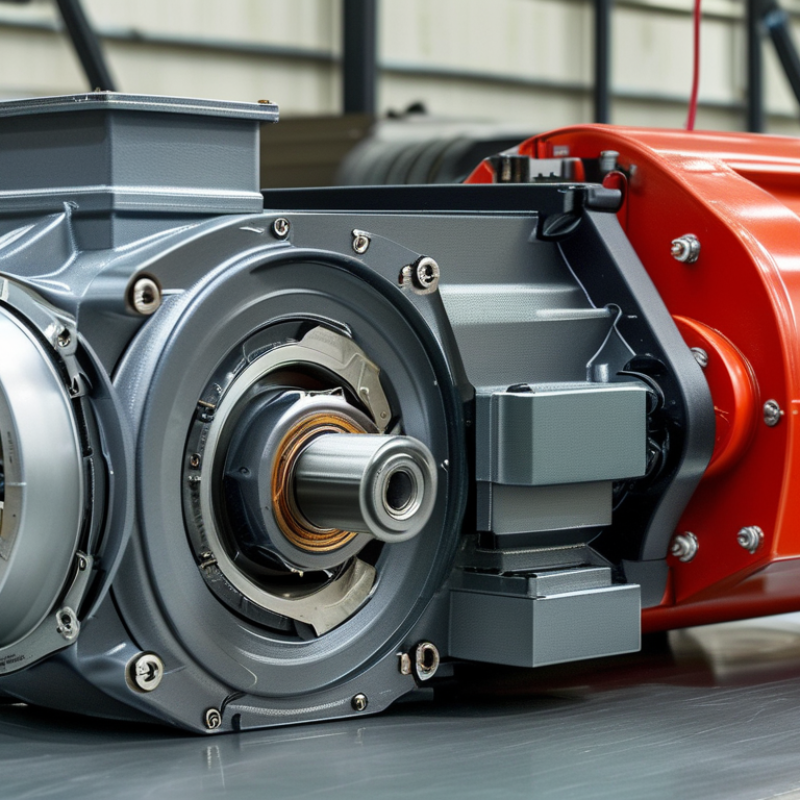
Belt drive motors are essential across various industries, from manufacturing to transportation. These motors offer several advantages, including efficiency and reduced maintenance. According to a report by MarketsandMarkets, the global belt drive system market is projected to reach USD 12 billion by 2026, showcasing the growing reliance on these systems.
In industrial applications, belt drive motors help transmit power effectively. They can handle variable loads, which is crucial for operations like conveyor systems. The American Gear Manufacturers Association highlights that belt drives can achieve up to 95% efficiency. However, a common issue is belt slippage, which can lead to decreased productivity if not addressed.
In the renewable energy sector, belt drive motors are gaining popularity. They are used in wind turbines to convert mechanical energy efficiently. Despite their advantages, the complexity of installation can be a drawback. Additionally, belt wear is a critical factor. Regular monitoring is necessary to ensure optimal performance. By emphasizing these aspects, industries can optimize their operations while acknowledging potential pitfalls.
When selecting belt drive motors, several key features can significantly enhance performance. Motor efficiency is paramount. Look for motors that provide high torque at low speeds. This characteristic is crucial for applications that require smooth operation without excessive energy consumption.
Another feature to consider is the build quality. A well-constructed casing protects the motor from dust and moisture. This durability extends the motor's lifespan and reduces maintenance needs. Additionally, attention to cooling mechanisms is vital. Effective heat dissipation prevents overheating and ensures consistent performance in demanding environments.
Tips: Focus on energy-saving designs. They can reduce operational costs. Consider variable speed controls for better flexibility in applications. Testing the motor under operational conditions helps identify any weaknesses before full deployment. Regular maintenance checks can prevent unexpected failures, extending the longevity of your motor system.
In 2026, the demand for belt drive motors continues to grow. Buyers are looking for reliable options that suit various applications. This shift influences top manufacturers specializing in these motors. They focus on quality, performance, and energy efficiency.
Key players in the belt drive motor industry emphasize innovation. Many are investing in advanced technologies to enhance motor efficiency. Consumers seek products that not only meet their operational needs but also respect environmental standards. Several brands have made strides in materials, reducing waste and increasing lifespan. However, challenges remain. Some products fail to deliver consistent performance, leading to user frustrations.
When considering belt drive motors for global markets, cost is a critical factor. Recent industry reports indicate that prices can vary significantly based on quality and specifications. For instance, a basic belt drive motor can start as low as $100, while high-performance models can exceed $2,000. This price fluctuation largely depends on the material used, power output, and brand reputation.
One helpful tip is to analyze lifecycle costs. Cheaper motors may result in higher maintenance costs over time. A study from the International Energy Agency suggests that energy-efficient motors can reduce operational expenses by 15–30%. Understanding the total cost of ownership is essential for making informed decisions.
It's vital to balance cost with performance. Many buyers may overlook the reliability features of a motor in favor of a lower price. However, investing in a more reliable motor may lead to fewer downtimes and repairs. Buyers should also consider warranty terms. Some manufacturers offer extended warranties for higher-quality products, reflecting their confidence in durability. Exploring these factors will lead to more prudent purchasing choices.
The landscape of belt drive motor technology is evolving rapidly. With increasing demand for efficiency and sustainability, innovations are emerging. Engineers are focusing on lightweight materials and advanced designs. This shift enhances performance and reduces energy consumption. Many manufacturers experiment with new composites that can withstand high stress while being lighter.
Another trend is the integration of smart technology in belt drive motors. Sensors are increasingly used to monitor performance in real-time. These systems can predict failures before they occur. This proactive approach saves downtime and maintenance costs. However, the reliance on technology brings challenges. Data security and reliability will be critical as these systems grow more complex.
Despite these advancements, there are still concerns. The transition to smarter technologies may not be seamless. Some users face difficulties adapting to these innovations. Education and training remain vital for successful implementation. Only time will reveal how these trends will reshape the market and user experiences in the coming years.
| Motor Type | Power Rating (kW) | Torque (Nm) | Efficiency (%) | Weight (kg) | Price Range (USD) |
|---|---|---|---|---|---|
| AC Induction Motor | 5 | 35 | 85 | 40 | 500 - 800 |
| DC Motor | 3 | 20 | 90 | 30 | 400 - 700 |
| Stepper Motor | 2 | 15 | 80 | 25 | 300 - 600 |
| Permanent Magnet Motor | 4 | 30 | 95 | 35 | 600 - 900 |
| Brushless DC Motor | 6 | 40 | 92 | 42 | 700 - 1100 |
: The demand is growing due to the need for reliable options across various applications.
Buyers seek quality, performance, energy efficiency, and compliance with environmental standards.
Many manufacturers are investing in advanced technologies to enhance motor efficiency and reduce waste.
Some products do not deliver consistent performance, leading to frustration among users.
Each manufacturer has unique strengths and weaknesses, making thorough research crucial for buyers.
The integration of smart technology with real-time performance monitoring is becoming increasingly popular.
Users may struggle with adapting to new technologies, and data security concerns can arise.
Lightweight materials increase performance while reducing energy consumption in the motor.
Education and training are essential for successful implementation of advanced motor technologies.
Future trends may reshape the market, but time will reveal the impacts on user experiences.
The article titled "2026 Best Belt Drive Motor Options for Global Buyers" provides a comprehensive overview of the significance of belt drive motors across various industries. It emphasizes the essential features that buyers should consider to ensure optimal performance, such as durability, efficiency, and noise levels. Additionally, the discussion includes a comparative analysis of costs associated with different belt drive motor options, aiding global buyers in making informed decisions.
Looking into the future, the article highlights emerging trends and innovations in belt drive motor technology that promise to enhance performance and adaptability in industrial applications. As industries evolve, understanding these aspects will be critical for buyers seeking to leverage the benefits of advanced belt drive motors in their operations.

Lite Simo