The Blower Motor AC is a crucial component of any HVAC system. It plays a significant role in ensuring that air circulates effectively throughout a building. Without a properly functioning blower motor, your heating and cooling system may struggle to maintain the desired temperature. This can lead to inefficient energy use and increased utility bills.
Understanding the role of the Blower Motor AC can improve your HVAC experience. This part helps in distributing conditioned air efficiently. Many overlook its importance until they encounter problems. A failing blower motor can cause uneven temperatures and increase wear on other components.
Investing in a high-quality blower motor and regular maintenance is essential. Experienced HVAC technicians emphasize its role in system reliability. Ignoring this critical element could lead to costly repairs. It is vital to reflect on the state of your blower motor to ensure optimal performance.
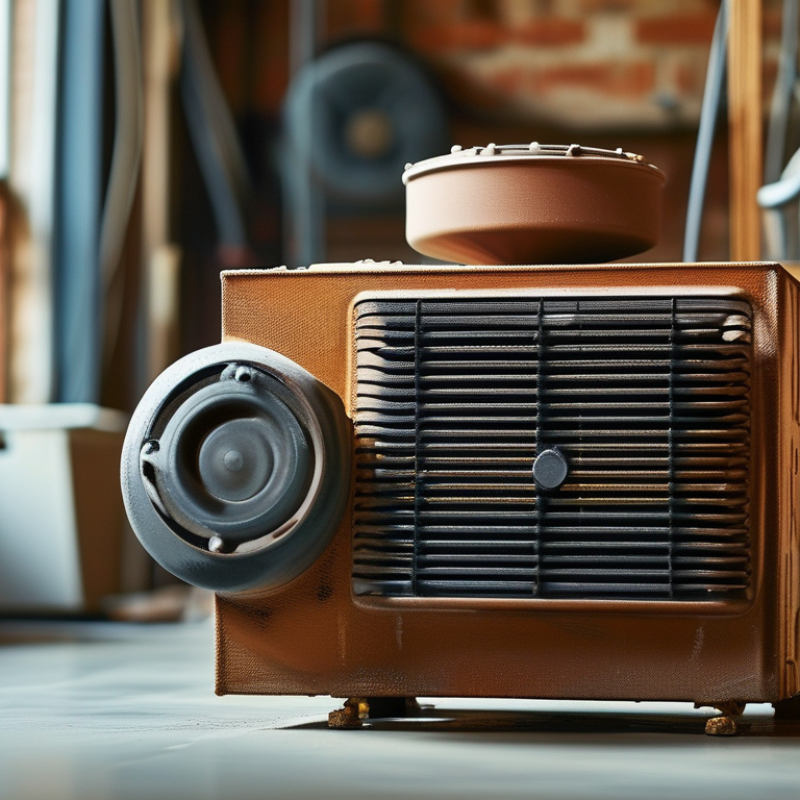
The blower motor is a pivotal component in HVAC systems. It plays a critical role in circulating air throughout a home or building. According to the American Society of Heating, Refrigerating and Air-Conditioning Engineers (ASHRAE), efficient air movement can significantly improve energy consumption. It is reported that HVAC systems can use up to 30% less energy when the blower motor operates optimally. This highlights the importance of maintaining the blower motor in your system.
When a blower motor malfunctions, it can lead to inadequate airflow. This not only affects comfort levels but can also increase energy costs. A study by the U.S. Department of Energy indicates that improper airflow can reduce HVAC efficiency by up to 20%. Homeowners often overlook this component, thinking that cooling or heating issues are solely due to the HVAC unit itself. However, the blower motor's performance impacts the overall system's effectiveness and longevity.
Regular maintenance of the blower motor is essential. Neglect can lead to larger issues that are costly to repair. Signs of a struggling motor include unusual noises, reduced airflow, and inconsistent temperatures. Professionals recommend annual inspections to ensure everything runs smoothly. This approach helps identify minor problems before they escalate, reaffirming the necessity of a well-functioning blower motor for HVAC systems.
Blower motors play a crucial role in HVAC systems. They ensure proper air circulation, impacting both comfort and efficiency. By circulating air throughout your space, they maintain even temperatures. Without a functional blower motor, your heating and cooling systems struggle to perform well.
Understanding how these motors work can enhance your HVAC experience. Blower motors pull air from inside the home and push it over the heating or cooling coils. This process cools or heats the air before distributing it. Dust and debris can clog the motor, reducing its efficiency. Regular maintenance is essential to keep blower motors functioning correctly.
To ensure optimal performance, clean the air filters regularly. Dirty filters can obstruct airflow and strain the blower motor. Keep an eye on your HVAC system's noises. Unusual sounds may indicate issues with the blower motor. Addressing these problems early can save you from costly repairs down the road.
The blower motor plays a critical role in your HVAC system. It circulates air throughout your home, ensuring that you stay comfortable year-round. However, blower motors can face several issues that may hinder their performance.
Common problems include unusual noises, low airflow, and overheating. Noises often result from worn-out bearings or debris lodged in the motor. Addressing these noises quickly can prevent more severe damage. Low airflow may indicate a clogged filter or a malfunctioning motor. Regularly checking and replacing filters can help maintain optimal airflow. Overheating is another issue that can arise when a motor works harder than it should. This might suggest that the motor needs lubrication or simply that it is nearing the end of its life.
Consider these practices: keeping the surrounding area of the blower motor clean is essential. A cluttered space can cause overheating. Also, listen for any odd sounds coming from the unit. Identifying problems early on can save you time and money on repairs. Regular maintenance can extend the lifespan of the blower motor and enhance your HVAC system's overall efficiency.
The blower motor plays a pivotal role in your HVAC system, ensuring that air circulates effectively throughout your space. Neglecting its maintenance can lead to a significant decline in performance. According to the National Institute of Standards and Technology, a well-maintained blower motor can improve energy efficiency by up to 15%. This translates to lower utility bills and a more comfortable home environment.
Regular checks are essential for prolonging the lifespan of your blower motor. Inspecting and cleaning the motor and its components every six months can prevent dust build-up, which is a common issue. Research shows that airborne particles can reduce motor efficiency by over 20%. Additionally, lubricating moving parts can reduce friction, minimizing wear and tear over time.
Monitoring system noise is also crucial. Unusual sounds may indicate mechanical issues that require immediate attention. Scheduling routine maintenance with a qualified technician can help identify these problems early. Remember, timely intervention is often more cost-effective than waiting for a complete failure. Taking these steps ensures your blower motor operates smoothly and enhances the overall efficiency of your HVAC system.
Choosing the right blower motor for your HVAC system is crucial. It directly impacts air circulation and overall system efficiency. When selecting a blower motor, consider factors like size, airflow capacity, and energy efficiency. These elements determine how well the HVAC system performs. An appropriate motor can enhance comfort levels in your home, reducing energy costs.
Take note of the compatibility between the blower motor and your HVAC unit. Mismatched components can lead to decreased efficiency. It may also cause unnecessary strain on the system. This could result in more frequent repairs. Some homeowners overlook motor specifications. They only focus on price tags or aesthetics. This approach may lead to long-term issues.
Don't forget to factor in noise levels. Some motors operate quietly, while others generate noticeable sound. Consider your living environment when making a choice. Assessing these details can help prevent future frustrations. Ultimately, selecting the right blower motor is vital for a well-functioning HVAC system. Taking the time to research and reflect on your options will pay off in enhanced comfort and efficiency.
C systems?
They pull air inside the home and push it over heating or cooling coils. This process alters the air temperature before distribution.
Issues include unusual noises, low airflow, and overheating. These can indicate wear or clogs impacting performance.
Regular maintenance is key. Clean air filters and observe for noises. Address any odd sounds quickly to avoid deeper issues.
Consider size, airflow capacity, and energy efficiency. Compatibility with your HVAC unit is also crucial to avoid inefficiencies.
Dust and clutter can obstruct airflow and cause overheating. Keeping the area clean helps maintain optimal performance.
Some motors are quieter. Others produce noticeable sounds. Choosing a quieter motor could enhance comfort in your living space.
Ignoring problems may lead to expensive repairs. Early detection can save time and money while extending the motor's lifespan.
Clogged filters can slow airflow and strain the blower motor. This may lead to overheating or lower efficiency in your HVAC system.
Researching ensures compatibility and efficiency. It can prevent future frustrations related to comfort and energy costs in your home.
The blower motor AC is a crucial component of any HVAC system, playing a vital role in air circulation and maintaining indoor comfort. By driving air through the ductwork, it ensures an even distribution of heated or cooled air throughout the space. However, blower motors can encounter common issues such as inadequate airflow, strange noises, or complete failure, which can disrupt the efficiency of the HVAC system.
To prolong the lifespan of your blower motor AC, regular maintenance is essential. This includes cleaning the motor and surrounding components, checking for proper lubrication, and ensuring all electrical connections are secure. When selecting a blower motor, it's important to choose one that matches the specifications of your HVAC system to ensure optimal performance and reliability. Proper care and an informed choice can significantly enhance the longevity and efficiency of your system.

Lite Simo