Choosing Cast Iron Frame Motors in 2026 requires more than comparing horsepower and purchase prices. The right motor must match the machine, environment, operating schedule, and maintenance resources. A cast iron frame offers strong mechanical protection, especially around pumps, compressors, conveyors, and industrial fans. However, it also adds weight and may increase installation demands.
Begin with the motor’s nameplate data. Check rated power, voltage, frequency, full-load current, speed, efficiency, service factor, and duty rating. Confirm compatibility with the planned variable frequency drive. A motor that runs well across a workshop floor may behave differently in a hot, dusty production area. Consider ambient temperature, mounting position, enclosure rating, shaft loading, and available ventilation. Small details matter, such as cable entry, bearing design, and the space needed for inspection.
Experience from maintenance teams often reveals problems that catalogs hide. Ask how easily bearings, fans, and terminal boxes can be serviced. Review test reports, warranty terms, and documented efficiency compliance from reputable manufacturers. In 2026, smart monitoring may support vibration and temperature tracking, but sensors cannot replace correct sizing. They only reveal problems earlier.
No checklist is perfect.
A larger frame does not automatically mean better reliability. Excess capacity can reduce efficiency during light-load operation. A lower-cost motor can also become expensive when downtime, rewinding, and energy losses accumulate. Recheck every assumption against real operating measurements. When uncertain, consult a qualified motor engineer and compare verified data before making the final selection.
Understanding Cast Iron Frame Motors and Their Applications in 2026
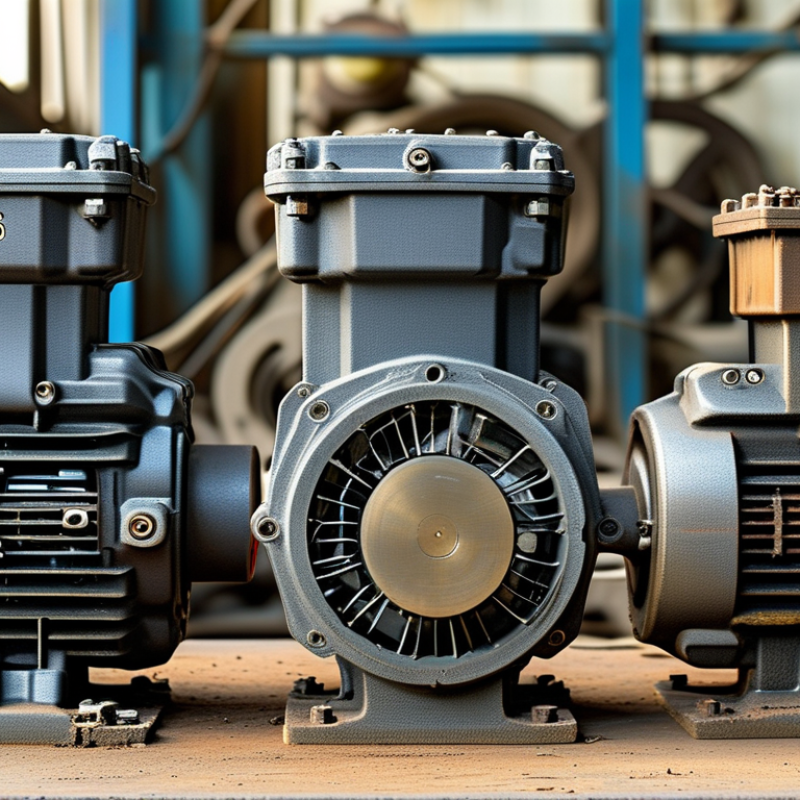
In 2026, cast iron frame motors remain valuable where strength, heat control, and long service matter. Their rigid housings reduce movement around bearings and mounting feet. This helps in pumps, compressors, conveyors, crushers, and large ventilation systems. Cast iron also handles demanding industrial environments better than many lighter materials. However, it adds weight and may corrode without suitable protection. Choose carefully.
The application should guide the motor choice. Check rated power, voltage, frequency, duty cycle, enclosure rating, and installation position. A dusty grain facility may need stronger sealing than a clean workshop. A water pump may require corrosion protection and reliable shaft sealing. For high-inertia loads, starting torque and acceleration time deserve close attention. Efficiency also matters, especially when the motor runs continuously. Small losses become costly over several years.
Field experience often reveals details that catalog data misses. Measure ambient temperature, vibration, cable length, and available foundation space before ordering. A motor that fits electrically may fail mechanically.
I have seen oversized units waste energy because the driven machine rarely reached its rated load. Undersized units can overheat during repeated starts. That mistake is expensive. Leave room for airflow, inspection, and future maintenance. Cast iron frames are dependable, but they are not automatically the best answer for every 2026 application.
Defining Motor Requirements for Performance, Load, and Operating Conditions
How to Choose Cast Iron Frame Motors in 2026?
Defining Motor Requirements for Performance, Load, and Operating Conditions
A cast iron frame motor should match the machine, not just the available shaft size. Start with the load profile: constant torque, variable torque, impact loading, or frequent starts. Record running speed, peak torque, acceleration time, and daily operating hours. The IEA’s Energy Efficiency 2023 report states that motor-driven systems consume nearly half of global electricity. Small efficiency gains can therefore reduce both operating cost and energy waste. Select an efficiency class under IEC 60034-30-1, then verify performance at the actual load. A motor running far below its rated capacity may lose practical efficiency.
Tips: Measure the load before choosing horsepower. Check starting current, duty cycle, ambient temperature, altitude, and enclosure protection. Cast iron offers strong mechanical rigidity, but it adds weight and may corrode in wet environments. For dusty areas, confirm sealing and cooling requirements. In hot rooms, derating may be necessary. In practice, no checklist is perfect. I have seen motors selected correctly on paper but fail early because vibration, misalignment, or blocked airflow was ignored.
Review the driven equipment’s operating conditions carefully. A conveyor with repeated starts needs different thermal capacity than a pump with steady flow. Consider bearing loads, shaft orientation, braking events, and inverter operation. The U.S. Department of Energy identifies motor systems as a major industrial energy user, reinforcing the value of system-level evaluation. Ask for test data, efficiency curves, temperature-rise limits, and documented quality controls. Do not rely on the nameplate alone.
Comparing Frame Sizes, Power Ratings, Speeds, and Efficiency Classes
How to Choose Cast Iron Frame Motors in 2026?
Choosing a cast iron frame motor starts with the frame size, not the nameplate power. Check shaft height, mounting holes, flange dimensions, and available installation space. A motor may have the correct kilowatts but still fail to fit the machine. Cast iron handles vibration and demanding environments well, though its weight can complicate lifting and maintenance. Measure the existing base carefully. Small errors become expensive.
Match the power rating to the real operating load, duty cycle, and starting demand. Oversizing seems safe, but it may increase purchase and energy costs. Undersizing creates heat, nuisance trips, and shortened insulation life. Speed also matters. A two-pole motor usually runs faster than a four-pole motor at the same frequency, but actual speed drops slightly under load. Variable-speed applications require compatible insulation and control equipment. I would not select speed from the catalogue alone.
Tips:
Compare IE efficiency classes using annual operating hours, not only purchase price. A higher efficiency class can reduce long-term energy use. Confirm the supply frequency and voltage before ordering. Check enclosure protection, bearing access, and ambient temperature. Also review the duty rating. This step is often skipped. Leave room for airflow around the frame, especially in dusty rooms. If the motor is exposed to moisture, specify suitable protection and inspect the housing regularly. A careful measurement sheet prevents many avoidable mistakes.
How to Choose Cast Iron Frame Motors in 2026?
This comparison uses representative IEC metric frame sizes for 4-pole, 50 Hz cast iron motors. As frame size increases, rated output generally rises while operating speed remains close to the 1,500 rpm synchronous-speed reference. IE3 efficiency values are representative full-load ranges and should be verified against the final motor datasheet, duty cycle, enclosure, and supply conditions.
Evaluating Construction Quality, Protection Ratings, and Maintenance Needs
How to Choose Cast Iron Frame Motors in 2026?
A cast iron frame should feel rigid, not merely heavy. Inspect the feet, end shields, shaft fit, and junction box for clean machining. Poor alignment can create vibration, bearing stress, and early failure. The U.S. Department of Energy reports that motor systems consume roughly 70% of industrial electricity, making construction quality an operating-cost issue, not just a purchasing detail. I have found that a thick frame cannot compensate for weak bearings or careless assembly.
Protection ratings require equal attention. IEC 60034-5 defines IP codes for protection against solids and water. For dusty indoor production, IP55 is a practical baseline. Wet cleaning or outdoor exposure may require IP66, but only when seals, cable glands, and drain arrangements match the rating. An IP number is not a guarantee against every installation mistake. Condensation can still enter during temperature changes.
Maintenance needs should be visible before purchase. Check whether grease points are accessible, bearings are replaceable, and lifting points support safe handling. The U.S. Department of Energy’s Motor Systems Market Assessment identifies preventive maintenance as a major factor in reducing motor-system losses. Keep vibration and temperature records from the first month. That habit exposes misalignment early. Still, maintenance schedules are not universal; heavy dust, frequent starts, and variable loads may demand shorter intervals. My own weak assumption was trusting factory intervals too much. Conditions usually write the real schedule.
Selecting Suppliers, Verifying Standards, and Estimating Total Ownership Cost
How to Choose Cast Iron Frame Motors in 2026?
Supplier selection should begin with evidence, not a polished catalog. Ask for efficiency test reports, serial-number traceability, insulation-class details, bearing specifications, and production records. IEC 60034-1 defines general motor requirements, while IEC 60034-30-1 classifies efficiency levels. NEMA MG 1 provides another widely used reference for motor construction and performance. Check whether the supplier states the testing method clearly. Missing details are warning signs. A low purchase price can hide weak quality control.
Total ownership cost deserves closer attention. The International Energy Agency estimates that electric motor systems consume about 46% of global electricity. The U.S. Department of Energy also reports that motor-driven equipment uses a major share of industrial electricity. Therefore, compare purchase price, efficiency, operating hours, electricity rates, maintenance, downtime, and expected service life. For a 30 kW motor running 6,000 hours annually, a small efficiency difference can create substantial long-term savings. Cast iron frames may suit dusty plants and high vibration, but they add weight and handling costs. Use supplier test data instead of assumptions. A spreadsheet can still lie. Include startup current, power-factor penalties, spare-part availability, and warranty response time. I would also request one reference installation, though that evidence is imperfect. Tests show performance. Field records reveal durability.
FAQS
: Record load type, running speed, peak torque, acceleration time, and daily operating hours. Measure the load first.
A conveyor with repeated starts needs stronger thermal capacity than a pump with steady flow. Match the motor to real operation.
No. An oversized motor may run inefficiently at low load. Compare rated capacity with actual operating demand.
Check ambient temperature, altitude, dust, moisture, enclosure protection, shaft orientation, and inverter use. Hot rooms may require derating.
IP55 may suit dusty indoor production. Wet cleaning or outdoor exposure may require IP66, with matching seals and cable glands.
Check rigid feet, clean machining, shaft fit, end shields, bearings, and junction box quality. Heavy does not always mean durable.
Confirm accessible grease points, replaceable bearings, lifting points, and cooling access. Record vibration and temperature from the first month.
Request efficiency reports, traceability, insulation details, bearing data, and quality records. Compare energy, maintenance, downtime, handling, and purchase costs.
No. Test results show performance, while field records reveal durability. I once trusted factory intervals too much.
Misalignment, vibration, blocked airflow, or incorrect cable sealing can shorten motor life. Paper selection is not enough.
Conclusion
Choosing Cast Iron Frame Motors in 2026 requires a clear understanding of application demands, operating environments, and long-term performance goals. These motors are well suited to industrial equipment, pumps, compressors, conveyors, and other applications requiring strength, stability, and resistance to vibration. Start by defining the required output, torque, duty cycle, starting conditions, ambient temperature, installation method, and expected load. Then compare suitable frame sizes, power ratings, operating speeds, and efficiency classes to achieve reliable performance without unnecessary energy use or oversized equipment.
Construction quality is equally important. Review the cast iron housing, insulation system, bearings, cooling design, enclosure, and protection rating to ensure the motor can withstand dust, moisture, temperature changes, and routine operating stresses. Consider accessibility for lubrication, inspection, and replacement of service parts. When selecting a supplier, verify applicable technical standards, test documentation, warranty terms, delivery capability, and after-sales support. Finally, estimate total ownership cost by including purchase price, energy consumption, maintenance, downtime risk, and expected service life before making the final decision.

 Lite Simo